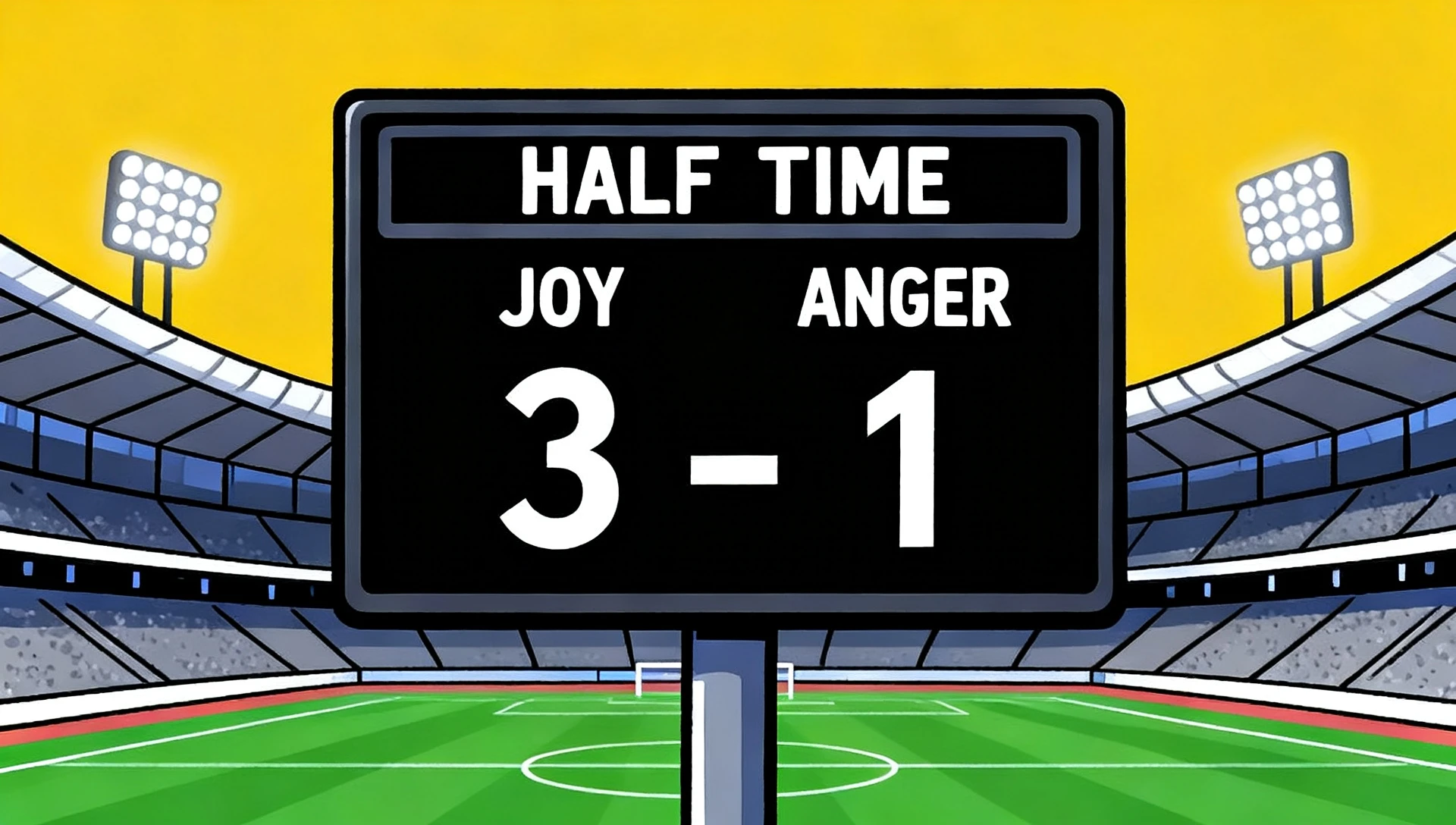
 Customer Emotion Mapping: World Cup Edition
Score more than you concede: every process produces an emotion, and the emotion is the only part your customer remembers.
Customer Emotion Mapping: World Cup Edition
Score more than you concede: every process produces an emotion, and the emotion is the only part your customer remembers.

CX Corner
Issue 48 · 10 February 2026
The (often stolen) thoughts of Wordnerds' CEO, Pete Daykin. A fortnightly Voice of Customer newsletter for people tasked with making business improvement from customer feedback. Contains light swearing, unnecessary personal detail and information about what we're learning here at Wordnerds.
The Empty Chair Fallacy
Why “representing the customer” in the room is harder, and riskier, than leaving a chair empty for them.
Hey there,
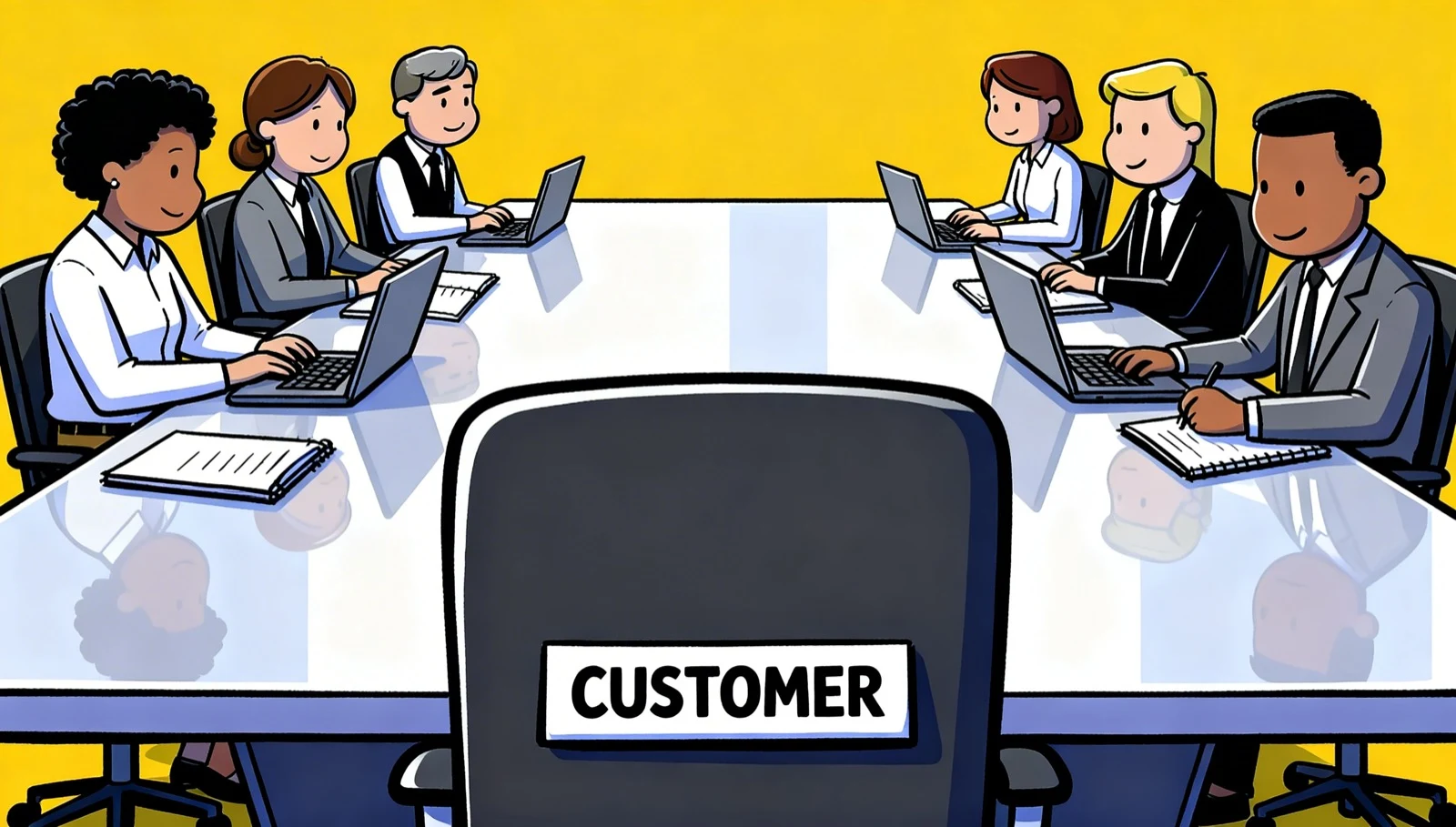
Jeff Bezos made the empty chair famous.
Leave an empty seat in every meeting to represent the customer. Make decisions as if they're in the room. Keep their interests at the centre of everything you do.
It's a beautiful idea. But if all you're doing is projecting your assumptions onto furniture, it's actually bollocks.
Because here's what actually happens in most organisations: someone glances at the empty chair, nods solemnly about "putting customers first," then makes a decision based on gut feel, departmental politics, or whoever spoke most confidently in the meeting.
The customer isn't in the room. Your biases about the customer very much are.
The Theatre of Customer-Centricity
We've all seen the performance:
- Customer journey maps pinned to walls that nobody references
- Quarterly NPS reviews where people discuss the numbers at length but have no idea what's driving them
- Mission statements proclaiming "customer-first" values and the importance of "customer-led growth"
- And yes, that empty chair
The problem isn't the intent. The problem is that by the time you're looking at quarterly NPS scores, you're flying on instruments that only tell you where you've been, not where you're going.
Your quarterly NPS review happens in March. The feedback that drove the score down happened in January. By the time you present findings in April and agree actions in May, it's June. Six months elapsed. In those six months: the customer told ten friends, your competitor fixed the same issue, and the frontline staff who understood the context moved to a different role.
Your NPS dropped three points? That's not actionable intelligence. That's a historical curiosity.
The value of customer feedback is inversely proportional to how long it takes to act on it. Lagging indicators tell you what happened. They don't help you prevent what's coming.
When Finding Insight Feels Like the Credits Rolling
I have no idea whether my colleague Nat is a bona fide genius or absolutely hatstand. Seriously, her brain works so differently to mine. Yesterday, though, in a planning meeting she dropped this brilliant analogy about rom-coms.
You know that moment when the couple finally gets together after 90 minutes of will-they-won't-they tomfoolery? They kiss, everyone cheers, the credits roll. Story over.
That's how most organisations treat customer insights.
Survey completed ✓
Analysis presented ✓
PowerPoint deck beautifully designed ✓
Leadership meeting where everyone gets excited about what we've found ✓
Credits roll. Job done. Move on to next quarter's survey.
Except we haven't changed anything yet. The customer's problem still exists.
Finding the insight isn't the end of the story—it's the beginning. And here's what nobody tells you about what comes after the credits: it's much harder to maintain that relationship than it was to start it.
It's easy to fall in love with an insight when it's new and exciting. It's much more difficult to turn that insight into systematic improvement, to maintain the discipline of continuous action, to prevent the same issues recurring.
The mandate for the modern CX leader isn't to report sentiment. It's to facilitate progress.
What "Customer Always in the Room" Actually Requires
Not an empty chair. Not leadership assumptions. Not quarterly report-outs.
It requires frontline people—support reps, business improvement managers, sales engineers—to have real customer data at their fingertips when they're making decisions.
Not waiting for the insights team to run analysis. Not requesting a custom report. Not relying on the three complaints they remember from last week.
Real customer language, accessible where decisions actually happen, continuously updated.
And it requires information to flow from frontline to boardroom, not the other way around. The people closest to the data know best. Not because they're smarter, but because they're closer to the reality of what customers are experiencing right now.
Prevention beats remediation. Continuous beats periodic. Leading indicators beat lagging ones. But this requires infrastructure that brings customer voice into decisions in real-time, not in quarterly reviews.
This scales in a way that reporting never could. One insights person can only generate so many reports. But one insights person can facilitate the investigation of hundreds of stakeholders if the infrastructure exists.
The Shift That's Happening
The best-in-class insights teams we're working with aren't positioning themselves as reporters of sentiment anymore.
They're positioning themselves as facilitators of progress. As builders of continuous improvement infrastructure.
They're moving from:
- Ownership (bottleneck, report-generator) → Facilitation (infrastructure-provider, enabler)
- Lagging indicators (quarterly NPS) → Leading indicators (emerging patterns, Customer Effort Scores)
- Remediation (fixing after aggregation) → Prevention (spotting before impact)
- Periodic reviews → Continuous improvement cycles
The empty chair is easy. Building the infrastructure that actually brings the customer's voice into every decision? That requires something completely different.
Next week's webinar: We're exploring exactly what this facilitation infrastructure looks like in practice—how to gather feedback without bias, structure it so everyone understands it, and democratise access so the customer is genuinely always in the room.
If you’ve found this interesting, feel free to save your place. (And if you can’t make it, don’t sweat it—register and we’ll send you a recording straight after).
Until next time, keep learning.
Pete
P.S. This shift from periodic reporting to continuous improvement isn't new thinking, it's just finally becoming possible at scale. Total Quality Management (the philosophy that transformed manufacturing in the 1980s) was built on exactly these principles: prevention over remediation, continuous cycles over periodic reviews, leading indicators over lagging ones. W. Edwards Deming would recognise what the best CX teams are building today. The technology has changed. The philosophy hasn't.
More from CX Corner
Customer Emotion Mapping: World Cup Edition
Score more than you concede: every process produces an emotion, and the emotion is the only part your customer remembers.
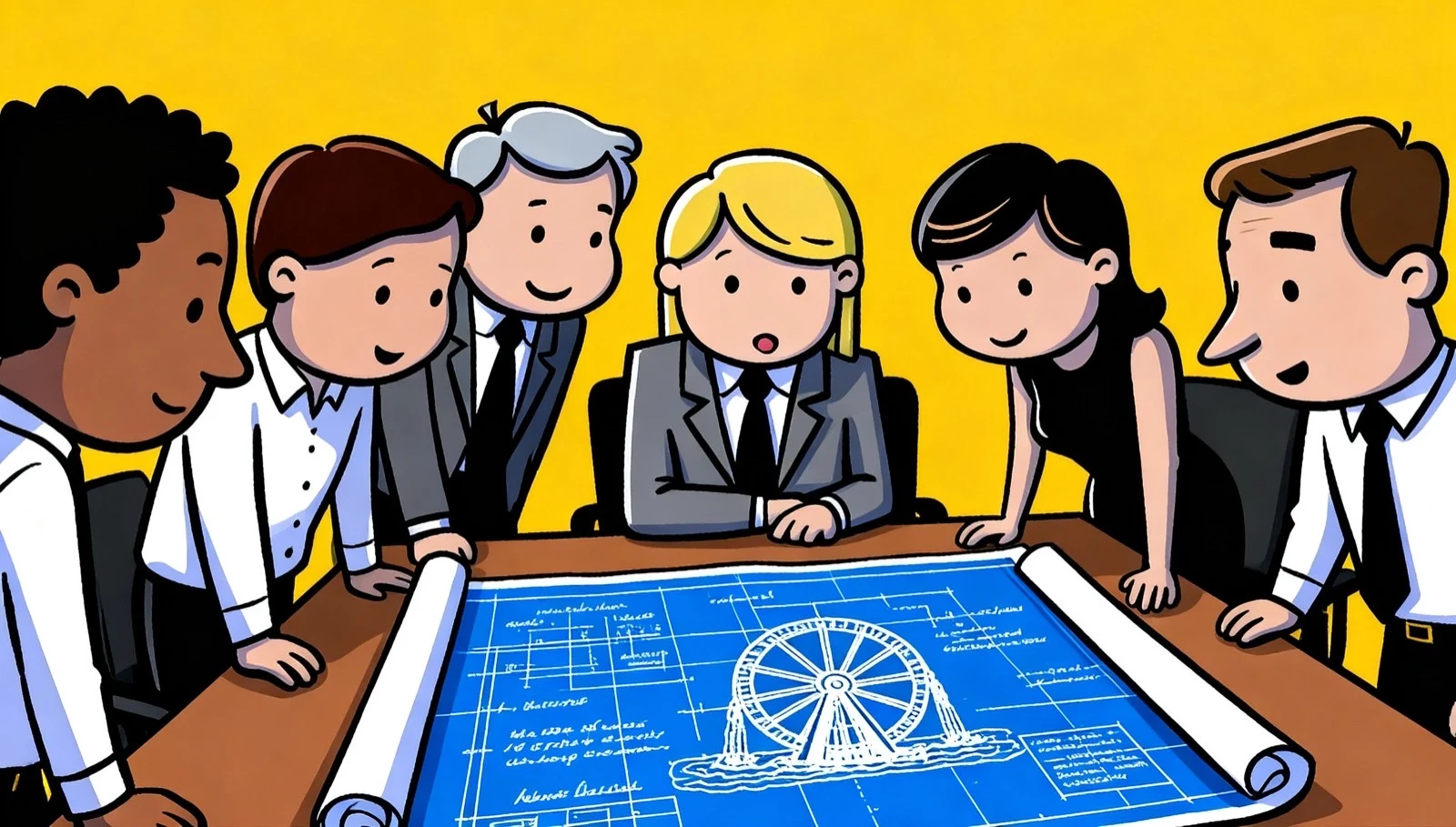 Align Your Insight for Design
Your customers aren't rating your front desk — they're rating your kitchen. Service design is a whole craft built for the thing your insight keeps wishing it could do, and most of us were never taught it.
Align Your Insight for Design
Your customers aren't rating your front desk — they're rating your kitchen. Service design is a whole craft built for the thing your insight keeps wishing it could do, and most of us were never taught it.
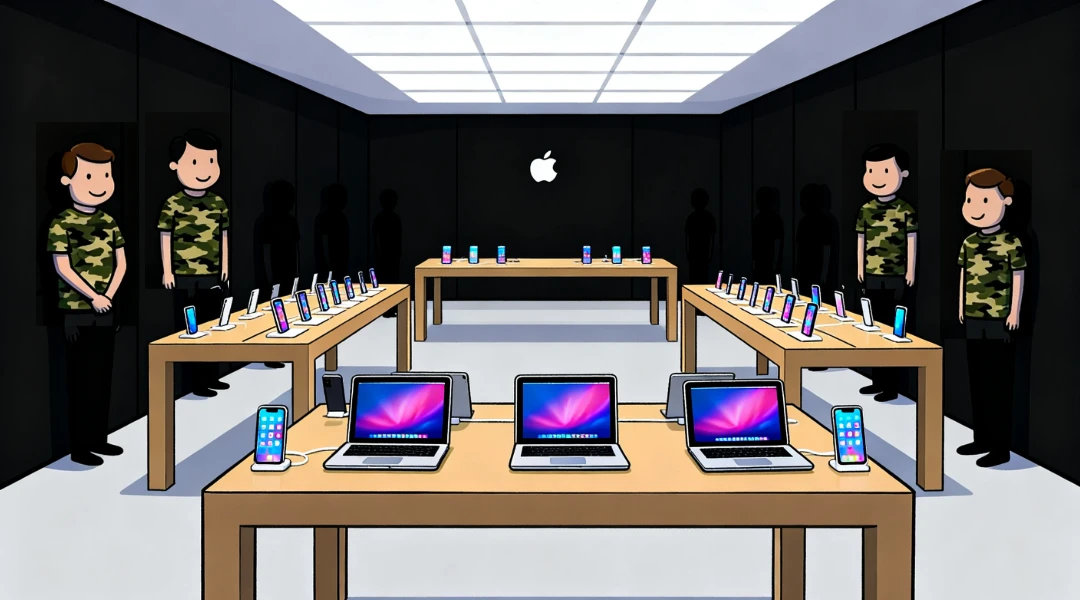 Your Insight Is Fine. You Just Don't Have a Process for Action.
The problem was never your data. It's that nobody owns the step between an insight and someone changing the work.
Your Insight Is Fine. You Just Don't Have a Process for Action.
The problem was never your data. It's that nobody owns the step between an insight and someone changing the work.
