Is doing nothing costing you?
What the status quo costs over a year, and when it's fine to leave things as they are.
Every customer feedback tool promises the same thing: turn comments into insight. The hard part is telling them apart, and picking the one that fits how you actually work.
Wordnerds turns what customers say into what organisations do. We put feedback to work in Power BI, so your whole organisation can act on it, not just the insight team.
Most buyers think the choice is between brands. It's really a choice between a handful of approaches, from doing nothing to a specialist platform. Which one fits depends on your feedback volume, whether you need an audit trail, and who has to act on the results.
Open a few vendor sites and they blur together. Everyone turns feedback into insight, everyone mentions AI, everyone has a dashboard. The differences that actually matter are hard to see from a homepage.
The real risk isn't picking a weak tool. It's buying a big, capable platform that most of your organisation never logs into, and that gets harder to justify each time it comes up for renewal.
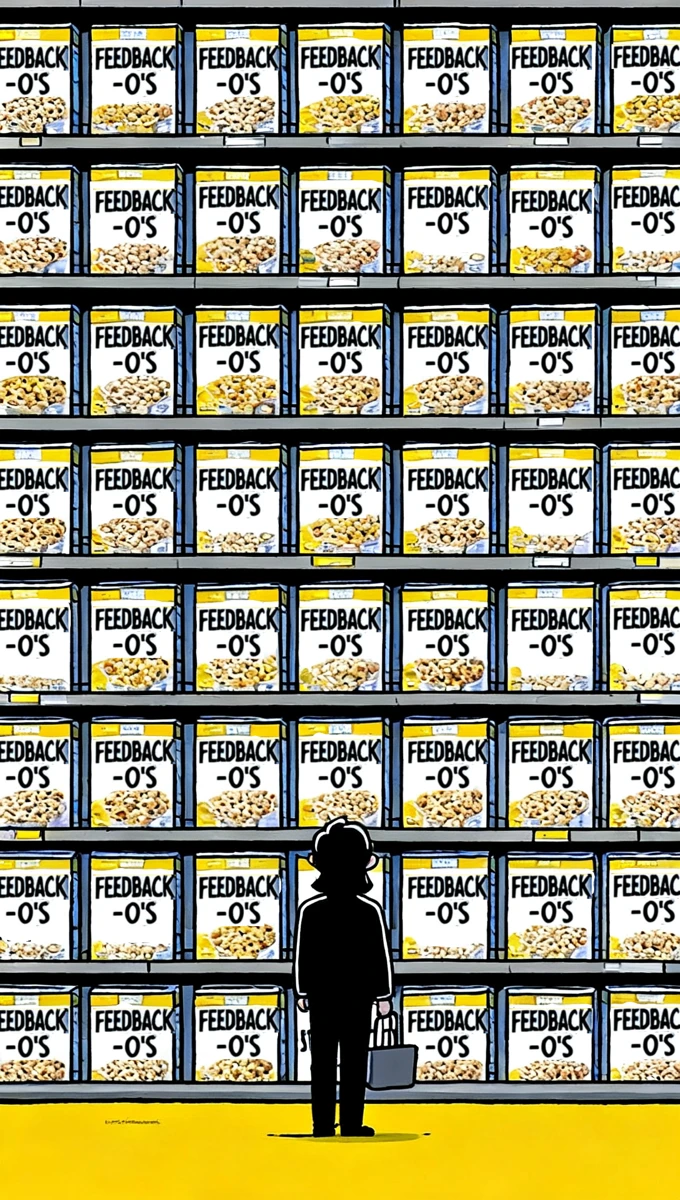
Most tools claim the same benefits. Judge them on the three things that genuinely set them apart.
Most platforms keep insight behind a login, so only the analyst ever sees it. Look for one that pushes findings into where teams already work, like Power BI, so the frontline and the board can act without learning a new tool.
AI that classifies feedback on its own is fast but hard to defend. If a board or a regulator asks how you got a figure, you need an audit trail: themes a human defined, and every result traceable to the comment behind it.
A horizontal platform sells the same tool to a software firm and a housing association. In regulated UK sectors, look for one that already knows your language and your regulators, from Awaab's Law to the FCA, rather than one you have to teach from scratch.
Here's how the main approaches compare on the three criteria above. They differ most on how themes are decided, where the insight ends up, and whether you get an audit trail. There's no single best option, only the one that fits your volume and how much rides on the analysis.
| Approach | How themes are decided | Where the insight lands | Audit trail | Best when |
|---|---|---|---|---|
| Wordnerds | Analysts define the themes; models apply them the same way every time | Natively in your Power BI, for everyone | Yes; every theme traces to the comment behind it | Feedback at scale that has to drive action and stand up to scrutiny |
| Doing nothing | No analysis; you go on what reaches you anecdotally | Nowhere; it stays in inboxes and spreadsheets | None | Feedback volume is low and little rides on it |
| A general-purpose AI (Copilot, ChatGPT) | The model decides, differently on each run | In a chat window you copy out of | None you can show | A one-off summary of a small batch |
| Spreadsheets and manual coding | A person tags every comment by hand | In the spreadsheet, if you build the view | Only as good as your notes | Small volumes where you want full control |
| Building your own | Your team trains the models and owns the taxonomy | Wherever your engineers put it | Yes, if you build and maintain it | You have a data-science team and a need no tool fits |
| A specialist competitor | Often auto-generated themes, some definition-led | Usually their own dashboard | Varies by vendor | You want a dedicated platform and their model fits your data |
| A survey platform you already run (Medallia, Qualtrics) | A text feature added on top of surveys | In the survey platform's dashboard | Limited | You mainly need survey scores with light text analysis |
Survey platforms like Medallia and Qualtrics aren't really rivals to a specialist analysis layer. Many teams run both, using the survey tool to collect feedback and the analysis layer to make sense of the words. As of July 2026.
Go deeper on the option you're weighing. We'll add more of these as we write them.
What the status quo costs over a year, and when it's fine to leave things as they are.
Where a general-purpose AI helps with feedback, where it falls short, and what to reach for instead.
The specialist analysis layer in full: how feedback becomes consistent, auditable insight in Power BI.
Broadly six: doing nothing, a general-purpose AI like Copilot, a spreadsheet, an in-house build, a specialist text-analytics platform, or the text feature of a survey tool you already run. Each suits a different volume, budget, and need for an audit trail.
Judge them on the few things that actually differ: does the insight reach people who won't log in, can you show how a number was reached, and does it understand your sector and its regulators? Match those to your volume and how much rides on the analysis.
A survey platform like Qualtrics or Medallia collects feedback and reports scores. A feedback analysis tool makes sense of the words behind the scores, at scale and with an audit trail. They work together: the survey tool gathers, the analysis layer explains why the numbers moved.
For a few dozen comments, a spreadsheet or a quick AI summary is fine. You need a specialist tool once feedback arrives faster than you can read it, the same issues keep recurring, or someone asks how you reached a conclusion and you need an audit trail to answer.
Wordnerds is the specialist analysis layer. It classifies feedback consistently with an audit trail and delivers it into Power BI, so insight reaches people who won't log into a platform. It works alongside survey tools like Medallia and Qualtrics rather than replacing them.
Wordnerds turns what customers say into what organisations do. It analyses feedback from surveys, complaints, reviews and calls, then delivers the insight into Microsoft Power BI where decisions happen, so every team can act on what customers are saying, not just the insight team.

So you're reading the footer now? Either you ❤️ Wordnerds or you're desperate for something to read. Either way, CX Corner from Wordnerds is the answer. Fortnightly Voice of Customer bombs dropped in your box. Signup 👇 or find out more.